
Becoming a board-certified psychiatric-mental health nurse typically takes 4–6 years from starting school to certification, with total education and licensing costs ranging from a low estimate of $15,000 for a frugal public college path to over $100,000 for a private university BSN. The primary financial hurdle is pre-licensure nursing tuition, but the median annual salary for registered nurses, which forms the foundation for this specialty, is $86,070, according to the latest available BLS figures. This guide breaks down the real costs, payment strategies, and timeline for this in-demand healthcare career, providing a clear path for how to become a mental health nurse.
Table of Contents
n- Roadmap at a Glance n
- Total Investment Overview n
- Cost Breakdown by Category n
- When Costs Hit Your Timeline n
- Pre-Licensure Education n
- Licensure & Entry to Practice n
- Specialization & Certification n
- Career Maintenance & Advancement n
- Hidden or Forgotten Costs n
- Reducing Costs Without Cutting Corners n
- Financial Aid and Payment Options (Factual Overview) n
- Planning Your Payment Stages n
- Salary Context and Financial Expectations n
- Roadmap at a Glance n
- Salary & Job Outlook n
- Salary by Practice Setting n
- Opportunity Cost and Time n
- Official Sources and Fee Schedules n
- Suggested Reading n
- Frequently Asked Questions (FAQs) n
- What is the difference between a mental health nurse and a psychiatric nurse practitioner? n
- Can I become a mental health nurse with an Associate’s Degree in Nursing (ADN)? n
- Are there loan forgiveness programs for mental health nurses? n
- How long does it take to become a board-certified psychiatric nurse? n
- Related Careers n
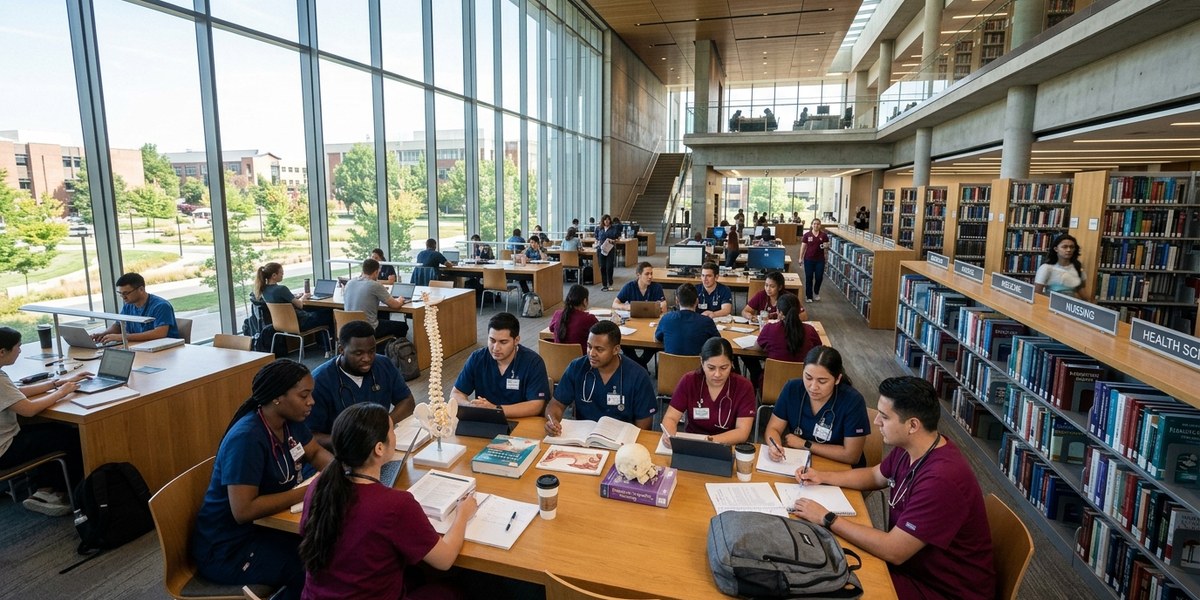
Roadmap at a Glance
| Metric | Details |
|---|---|
| Total Timeline | 4 to 6 years (from program start to board certification eligibility) |
| Total Cost / Financing (Est.) | $15,000 – $100,000+ for core education; heavily dependent on school type and financial aid. |
| Primary Hurdle | Funding the pre-licensure nursing degree (ADN or BSN) while managing living expenses. |
| Compensation Snapshot (2026) | Median RN salary: $86,070. Psychiatric-mental health specialization can command premiums, especially with certification and advanced practice. |
How to Become a Mental Health Nurse: Total Investment Overview
Viewing the journey to become a mental health nurse as a single financial project is crucial for planning. Your total investment is not just tuition; it’s the sum of direct costs, forgone earnings, and recurring career expenses weighed against a strong salary trajectory. The most significant outlay happens upfront for your nursing license, but strategic choices at the start can dramatically reduce your debt burden. The return on investment is supported by consistent demand, with job growth for registered nurses projected to be much faster than average.
Cost Breakdown by Category
Understanding where your money goes helps in creating a targeted savings and aid strategy. Costs fall into seven primary categories, each hitting at a different stage of your career path.
- Pre-licensure Nursing Education (ADN or BSN)
- This is your largest variable cost, ranging from $10,000 at a public community college for an Associate Degree in Nursing (ADN) to $100,000+ for a Bachelor of Science in Nursing (BSN) at a private university. It covers tuition, mandatory fees, textbooks, lab supplies, and uniforms.
- NCLEX-RN Examination & Licensure
- A moderate, one-time cost of $500 to $800 due upon graduation. This covers the national exam fee, a criminal background check, and your initial application for a state registered nurse license.
- Board Certification (PMH-BC)
- An investment in your specialty credibility, costing $395 to $540 for the American Nurses Credentialing Center (ANCC) Psychiatric-Mental Health Nursing Board Certification exam. Budget for recertification every five years.
- Clinical Hours & Preceptorship
- Often $0 if completed within your academic program, but post-graduate specialty training or exclusive preceptorships can carry tuition or opportunity costs of $5,000+ if they are unpaid positions.
- Continuing Education Units (CEUs)
- An annual recurring cost of $200 to $1,000+ for courses required to renew your RN license and maintain your PMH-BC certification.
- Professional Liability Insurance
- Another annual line item, from $100 to $500. While employers provide coverage, many nurses carry an individual policy for added protection.
- Technology & Software
- An initial $500 to $2,000+ for a reliable computer, required software during school, and potentially a telehealth platform subscription if you move into independent practice roles.
When Costs Hit Your Timeline
Cash flow management is as important as the total sum. Major expenses cluster in specific phases, allowing you to plan your savings, loan draws, and income accordingly.
Pre-Licensure Education
This phase represents your highest upfront investment. Costs include all tuition, fees, books, and supplies for your ADN or BSN program. This is also the period of greatest potential lost income if you are studying full-time.
Licensure & Entry to Practice
Upon graduation, you’ll face moderate one-time costs for passing the NCLEX-RN, obtaining your state license, and securing your first job (e.g., costs for interviews, relocation, or professional attire).
Specialization & Certification
After gaining experience, costs shift to specializing. This includes potential lower salary during a specialty residency, exam fees for the PMH-BC certification, and costs for review courses and study materials.
Career Maintenance & Advancement
For the remainder of your career, you will manage recurring annual costs for license renewal, CEUs, professional memberships, and liability insurance. This phase may also include costs for an advanced degree (e.g., MSN, DNP) to become a nurse practitioner.
Hidden or Forgotten Costs
Budget surprises can derail financial plans. Beyond the obvious tuition and fees, these often-overlooked expenses can add thousands to your total investment.
- Lost Wages: Full-time clinical rotations or residencies may limit your ability to work, creating a significant income gap.
- Travel & Parking: Commuting to distant clinical sites, especially in urban areas with expensive parking, can cost hundreds per semester.
- Professional Gear: High-quality stethoscopes, medical equipment, and durable professional attire and shoes are necessary purchases not always covered by tuition.
- Administrative Fees: Charges for official transcripts, credential verification services (like Nursys), and maintaining licenses in multiple states add up.
- Loan Interest: Interest that accrues on unsubsidized student loans during your education period increases your total repayment amount.
Reducing Costs Without Cutting Corners
Strategic choices can lower your debt without compromising the quality of your education or credentials. The goal is to maximize value at every step.
- Start with an ADN at a Community College: Complete your Associate Degree in Nursing at a public community college for the lowest tuition, then immediately enroll in an RN-to-BSN online bridge program, often with employer tuition assistance covering most of the cost.
- Target Employers with Robust Benefits: Seek positions at hospitals and health systems that offer tuition reimbursement, scholarship programs, or loan forgiveness in exchange for a service commitment. These benefits are common in the healthcare sector.
- Aggressively Pursue Grants and Scholarships: Always complete the FAFSA for federal aid. Additionally, apply for state-specific nursing grants and scholarships from professional organizations like the American Psychiatric Nurses Association (APNA).
- Leverage Free and Discounted CEUs: Utilize employer-provided continuing education, member discounts from nursing associations, and free training from authoritative sources like the Substance Abuse and Mental Health Services Administration (SAMHSA).
How to Become a Mental Health Nurse: Financial Aid and Payment Options (Factual Overview)
Navigating financial aid is a foundational step. All prospective nursing students should complete the Free Application for Federal Student Aid (FAFSA) to determine eligibility for federal Pell Grants, work-study programs, and Direct Loans. For those committed to working in underserved areas, the Nurse Corps Loan Repayment Program and some state programs offer significant loan repayment for service in critical shortage facilities, including community mental health centers. Furthermore, the Public Service Loan Forgiveness (PSLF) program can forgive remaining federal loan debt after 120 qualifying payments while working for a government or non-profit employer.
Note on Data & Estimates: Salary, job outlook, and cost figures are based on national medians, projections, and illustrative estimates from sources like the U.S. Bureau of Labor Statistics and professional organizations. Individual earnings, job availability, and actual expenses vary widely by location, experience, practice setting, and personal financial choices. This guide provides a framework for planning, not a guarantee of financial outcome.
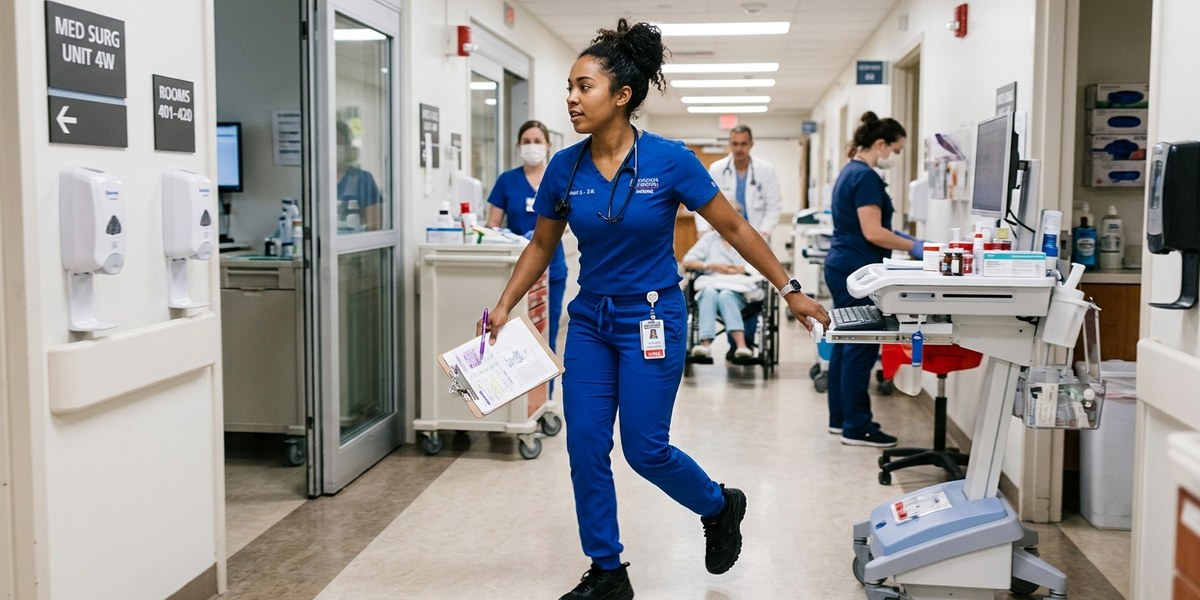
Planning Your Payment Stages
A phased payment plan aligns your financial strategy with your career progression. Follow these steps to manage costs proactively from day one through career advancement.
-
Phase 1: Fund Your Pre-Licensure Education. Your first financial mission is to get your RN license with minimal debt. Exhaust all grant and scholarship options first, then use subsidized federal loans if necessary. Consider working part-time in a healthcare support role (e.g., as a CNA or patient care tech) that may offer tuition benefits.
-
Phase 2: Budget for Licensure and Job Launch. In your final semester, set aside savings from work or use a small portion of student loan living expenses to cover the NCLEX-RN exam fee, license application, and professional wardrobe for interviews. Avoid putting these costs on a high-interest credit card.
-
Phase 3: Finance Specialization Strategically. Once employed as an RN, use your steady income to save for the PMH-BC certification exam. If your employer offers tuition assistance for a residency or bridge BSN program, utilize it fully. Prioritize gaining the required 2,000 clinical hours in a psychiatric setting, even if it means a lateral move.
-
Phase 4: Systematize Career Maintenance Costs. Treat annual costs like CEUs, license renewals, and liability insurance as non-negotiable line items in your budget. Set up a dedicated savings sub-account and auto-contribute a small amount each paycheck so the money is ready when bills are due.
-
Phase 5: Evaluate Advanced Degree Financing. If you pursue a Master’s or Doctorate to become a Nurse Practitioner, return to a strategic aid mix: employer tuition reimbursement first, followed by federal graduate loans. Re-explore specialized loan repayment programs for advanced practice nurses in mental health.
Salary Context and Financial Expectations
Understanding the financial return is crucial when evaluating the investment to become a psychiatric-mental health nurse. The latest available BLS figures show a national median annual wage of $86,070 for registered nurses, with those in specialty roles like psychiatry often commanding higher pay. This compensation anchors a career path with much faster than average growth, driven by sustained demand for behavioral health services. Your total timeline from starting school to full certification typically spans 4-6 years, with total education and licensing costs estimated between $15,000 and $100,000+ depending heavily on your chosen academic route. The primary financial hurdle is funding your pre-licensure nursing education without excessive debt, making strategic use of grants, employer benefits, and federal aid essential from the start.
Roadmap at a Glance
| Aspect | Details |
|---|---|
| Total Timeline | 4 to 6 years (from program start to board certification eligibility). |
| Total Cost / Financing (Est.) | $15,000 – $100,000+. Fund via FAFSA, nursing-specific scholarships, employer tuition reimbursement, and strategic federal loans. |
| Primary Hurdle | Managing the high upfront cost of nursing school while minimizing student loan debt. |
| Compensation Snapshot (2026) | National median RN salary: $86,070. Psychiatric specialty and advanced practice roles typically earn above this median. |
Salary & Job Outlook
The job outlook for registered nurses, particularly in mental health, remains exceptionally strong. Demand is fueled by greater focus on integrated care, an aging population with complex needs, and expanded access to behavioral health services. This growth translates to solid job security and opportunities for advancement into leadership or advanced practice roles.
| Career Stage | Typical Title | Estimated Annual Salary Range | Key Influencers |
|---|---|---|---|
| Entry-Level (0-2 years) | Psychiatric RN (New Grad) | $65,000 – $80,000 | Geographic region, hospital system, shift differentials (night/weekend pay). |
| Mid-Career (3-8 years) | Board-Certified PMH-RN | $80,000 – $100,000+ | Specialty certification (PMH-BC), shift charge or preceptor roles, specific patient population expertise. |
| Advanced Practice | Psychiatric Nurse Practitioner (PMHNP) | $110,000 – $140,000+ | Prescriptive authority, independent practice status, private practice ownership, and geographic demand. |
Salary by Practice Setting
Where you work significantly impacts your earning potential and daily responsibilities. Settings vary in patient acuity, team structure, and work pace.
| Practice Setting | Starting Salary (Est.) | Work-Life Balance Notes |
|---|---|---|
| State/Government Hospital | $70,000 – $85,000 | Structured schedules, strong benefits and pension plans, but may involve mandatory overtime. |
| Outpatient Community Health Center | $65,000 – $78,000 | Typically weekday hours, lower acute stress, but may have high patient panel sizes. |
| Inpatient Psychiatric Unit (Private Hospital) | $75,000 – $90,000 | Shift work (12-hour rotations common), higher acuity, often includes weekend rotations. |
| Telehealth Platform | Varies (often per-hour or per-session) | High schedule flexibility, remote work, but income may be less predictable and benefits limited. |
| Correctional Facility | $78,000 – $95,000 | Structured environment, potential for hazard pay, but can be high-stress and isolating. |
Opportunity Cost and Time
Pursuing this career requires a significant investment of time that could be spent earning income elsewhere. A traditional four-year BSN program often means forgoing full-time wages for that duration. Even in accelerated or part-time programs, demanding clinical rotations limit outside work. The 2,000+ clinical hours required for PMH-BC certification represent another substantial time commitment, though this is completed while employed as an RN. The long-term payoff, however, is a stable, well-compensated profession with abundant overtime and shift differential opportunities that can accelerate earnings once licensed.
Official Sources and Fee Schedules
Accurate, current cost data comes directly from licensing boards and credentialing organizations. Always verify fees on their official websites, as they change periodically.
- NCLEX-RN Examination (via Pearson VUE)
- The national exam fee is $200. Additional state-specific application and licensure fees typically add $300-$600.
- ANCC Psychiatric-Mental Health Board Certification (PMH-BC)
- Exam fee for American Nurses Association members is $395; for non-members, it’s $540. This does not include potential costs for review courses.
- State Board of Nursing Licensure Renewal
- Biennial renewal fees vary by state, commonly ranging from $100 to $300. Most states mandate continuing education for renewal.
- FAFSA (Free Application for Federal Student Aid)
- This is your gateway to federal grants, work-study, and loans. It is free to submit at studentaid.gov.
For authoritative updates, always refer to the National Council of State Boards of Nursing (NCSBN) and the American Nurses Credentialing Center (ANCC).
Suggested Reading
- For a broader perspective on healthcare careers, explore our homepage for guides on related professions.
- Understanding the full educational landscape is key, and you can find more foundational resources back on our main site.
- If you’re weighing different nursing specialties, the insights on our platform can help clarify your path.
- Financial planning strategies for students are often discussed in depth on our central resource hub.

Frequently Asked Questions (FAQs)
What is the difference between a mental health nurse and a psychiatric nurse practitioner?
A psychiatric-mental health registered nurse (PMH-RN) provides nursing care with an RN license, often with a specialty certification. A Psychiatric-Mental Health Nurse Practitioner (PMHNP) is an advanced practice registered nurse (APRN) with a master’s or doctoral degree who can diagnose, prescribe medication, and provide psychotherapy independently in many states.
Can I become a mental health nurse with an Associate’s Degree in Nursing (ADN)?
Yes. You must first become a licensed RN by passing the NCLEX-RN. You can then gain experience in psychiatric-mental health settings and pursue the Psychiatric-Mental Health Nursing Board Certification (PMH-BC) after meeting clinical practice requirements, all with an ADN.
Are there loan forgiveness programs for mental health nurses?
Yes. The federal Nurse Corps Loan Repayment Program and some state programs offer loan repayment for RNs working in critical shortage facilities, which include many community mental health centers. The Public Service Loan Forgiveness (PSLF) program may also apply for nurses in government or non-profit employment.
How long does it take to become a board-certified psychiatric nurse?
After earning an RN license (typically 2-4 years for ADN/BSN), you need at least 2 years of full-time experience as an RN, with a minimum of 2,000 hours in psychiatric-mental health nursing and 30 hours of continuing education in the specialty within the last 3 years to be eligible for the PMH-BC exam.
Estimates: Salary, job outlook, and cost figures are based on national medians, projections, and illustrative estimates from sources like the U.S. Bureau of Labor Statistics and professional organizations. Individual earnings, job availability, and actual expenses vary widely by location, experience, practice setting, and personal financial choices. This guide provides a framework for planning, not a guarantee of financial outcome.
{
“@context”: “https://schema.org”,
“@type”: “HowTo”,
“name”: “How to Become a Mental Health Nurse: A Financial and Career Roadmap”,
“description”: “A step-by-step guide covering the education, costs, and strategic phases to become a psychiatric-mental health nurse.”,
“estimatedCost”: {
“@type”: “MonetaryAmount”,
“currency”: “USD”,
“value”: “15000-100000”
},
“totalTime”: “P4Y”,
“step”: [
{
“@type”: “HowToStep”,
“name”: “Phase 1: Fund Your Pre-Licensure Education.”,
“text”: “Your first financial mission is to get your RN license with minimal debt. Exhaust all grant and scholarship options first, then use subsidized federal loans if necessary. Consider working part-time in a healthcare support role (e.g., as a CNA or patient care tech) that may offer tuition benefits.”
},
{
“@type”: “HowToStep”,
“name”: “Phase 2: Budget for Licensure and Job Launch.”,
“text”: “In your final semester, set aside savings from work or use a small portion of student loan living expenses to cover the NCLEX-RN exam fee, license application, and professional wardrobe for interviews. Avoid putting these costs on a high-interest credit card.”
},
{
“@type”: “HowToStep”,
“name”: “Phase 3: Finance Specialization Strategically.”,
“text”: “Once employed as an RN, use your steady income to save for the PMH-BC certification exam. If your employer offers tuition assistance for a residency or bridge BSN program, utilize it fully. Prioritize gaining the required 2,000 clinical hours in a psychiatric setting, even if it means a lateral move.”
},
{
“@type”: “HowToStep”,
“name”: “Phase 4: Systematize Career Maintenance Costs.”,
“text”: “Treat annual costs like CEUs, license renewals, and liability insurance as non-negotiable line items in your budget. Set up a dedicated savings sub-account and auto-contribute a small amount each paycheck so the money is ready when bills are due.”
},
{
“@type”: “HowToStep”,
“name”: “Phase 5: Evaluate Advanced Degree Financing.”,
“text”: “If you pursue a Master’s or Doctorate to become a Nurse Practitioner, return to a strategic aid mix: employer tuition reimbursement first, followed by federal graduate loans. Re-explore specialized loan repayment programs for advanced practice nurses in mental health.”
}
]
}
{
“@context”: “https://schema.org”,
“@type”: “FAQPage”,
“mainEntity”: [
{
“@type”: “Question”,
“name”: “What is the difference between a mental health nurse and a psychiatric nurse practitioner?”,
“acceptedAnswer”: {
“@type”: “Answer”,
“text”: “A psychiatric-mental health registered nurse (PMH-RN) provides nursing care with an RN license, often with a specialty certification. A Psychiatric-Mental Health Nurse Practitioner (PMHNP) is an advanced practice registered nurse (APRN) with a master’s or doctoral degree who can diagnose, prescribe medication, and provide psychotherapy independently in many states.”
}
},
{
“@type”: “Question”,
“name”: “Can I become a mental health nurse with an Associate’s Degree in Nursing (ADN)?”,
“acceptedAnswer”: {
“@type”: “Answer”,
“text”: “Yes. You must first become a licensed RN by passing the NCLEX-RN. You can then gain experience in psychiatric-mental health settings and pursue the Psychiatric-Mental Health Nursing Board Certification (PMH-BC) after meeting clinical practice requirements, all with an ADN.”
}
},
{
“@type”: “Question”,
“name”: “Are there loan forgiveness programs for mental health nurses?”,
“acceptedAnswer”: {
“@type”: “Answer”,
“text”: “Yes. The federal Nurse Corps Loan Repayment Program and some state programs offer loan repayment for RNs working in critical shortage facilities, which include many community mental health centers. The Public Service Loan Forgiveness (PSLF) program may also apply for nurses in government or non-profit employment.”
}
},
{
“@type”: “Question”,
“name”: “How long does it take to become a board-certified psychiatric nurse?”,
“acceptedAnswer”: {
“@type”: “Answer”,
“text”: “After earning an RN license (typically 2-4 years for ADN/BSN), you need at least 2 years of full-time experience as an RN, with a minimum of 2,000 hours in psychiatric-mental health nursing and 30 hours of continuing education in the specialty within the last 3 years to be eligible for the PMH-BC exam.”
}
}
]
}
