Learning how to use a plumbing snake is a core skill for plumbers, and the full career path from zero experience to a licensed journeyman typically takes 4–5 years.
Total out-of-pocket costs range from an estimated $1,000 to $17,000, with the primary bottleneck being the 4–5 year apprenticeship.
The median annual salary for plumbers is $60,090 (BLS, 2025), making this a solid middle-class trade with strong demand.
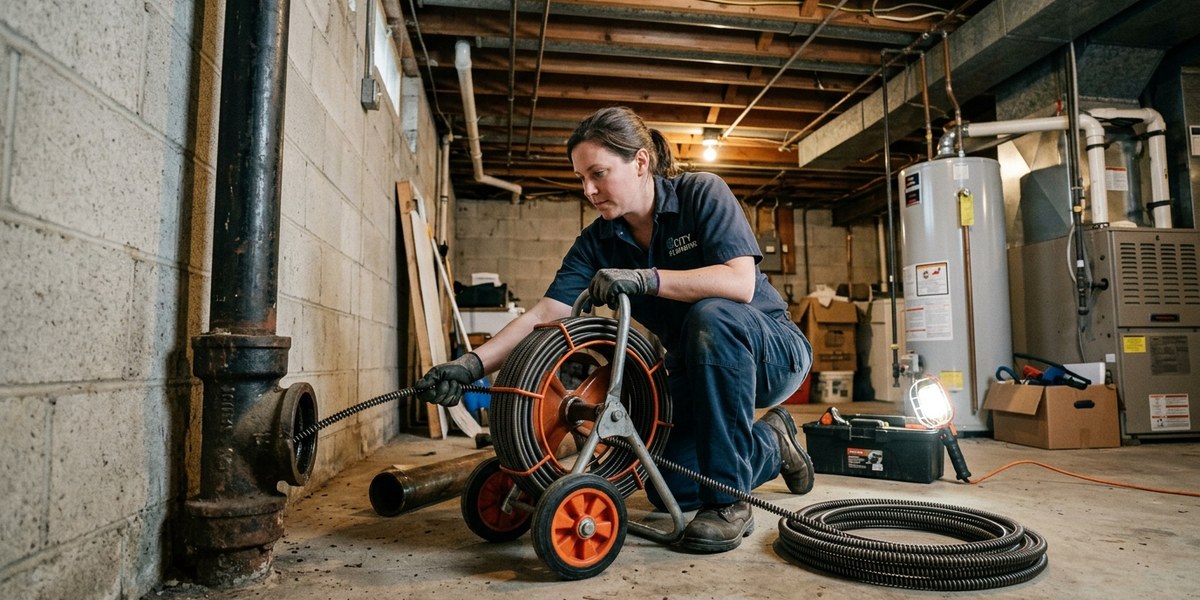
Roadmap at a Glance
| Metric | Details |
|---|---|
| Total timeline | 4–5 years typical (fastest 4 years, conservative 7–8 years) |
| Total cost / financing (est.) | $1,000–$17,000 out-of-pocket; apprenticeships are paid positions |
| Primary hurdle | Completing a 4–5 year apprenticeship with 2,000 hours/year of on-the-job training |
| Compensation snapshot | Median $60,090/year; top 10% earn over $100,000 (BLS, 2025) |
Who This Roadmap Is For (and Not For)
This roadmap is for US residents who want a step-by-step plan to become a licensed plumber, including how to use a plumbing snake professionally. It’s designed for high school students, career changers, and veterans transitioning to civilian trades.
If you’re a homeowner who only wants to clear a single clog, this guide is overkill—you can rent a snake at a hardware store. This is for people committed to a full-time trade career with earning potential and job security.
It is not for those seeking quick cash or remote work. Plumbing requires physical labor, on-site travel, and state licensing. If you’re looking for a desk job or a gig economy side hustle, look elsewhere.
The Big Picture: Stages From Zero to Job-Ready
The journey to becoming a plumber who can confidently use a plumbing snake on any drain follows five distinct stages. Each stage builds on the last, from high school preparation through optional master plumber status.
The core skill of using a plumbing snake is taught during apprenticeship, not in a classroom.
- High School Preparation (grades 10–12): Focus on math and physics. Take vocational plumbing classes if your school offers them. This stage costs nothing and sets you up for apprenticeship admission.
- Trade School or Pre-Apprenticeship (6 months–2 years): Optional but helpful. You’ll earn a certificate and OSHA safety certification. Costs range from $1,000 to $15,000.
- Apprenticeship (4–5 years): The core of your training. You work 2,000 paid hours per year plus 144+ hours of classroom instruction. You learn how to use a plumbing snake, solder pipes, and read blueprints.
- Journeyman Licensure (3–6 months): Pass the state exam to become a licensed journeyman. Costs $200–$600 for fees and study materials.
- Master Plumber (optional, 2–5 more years): Higher pay and ability to start your own contracting business. Requires additional work hours and a master exam.
Time Investment: Realistic Ranges
The fastest path to a journeyman license is 4 years if you attend trade school full-time and enter an accelerated apprenticeship. The typical timeline is 5 years, which includes a standard apprenticeship and exam scheduling.
A conservative timeline of 7–8 years accounts for part-time work, delays in finding an apprenticeship sponsor, or retaking exams.
Most apprentices work full-time during training, so you’re earning while learning. The time investment is front-loaded: the first 4–5 years demand 40+ hours per week, but after licensing, you have full earning potential.
Cost Reality Check
| Cost item | Estimate |
|---|---|
| Trade school tuition (if chosen) | $1,000 – $15,000 depending on program length |
| Apprenticeship tools and equipment | $500 – $2,000 for initial tool set |
| Journeyman exam fee | $100 – $300 per state |
| License application and background check | $50 – $200 |
| Continuing education (annual) | $100 – $500 for license renewal |
Total out-of-pocket costs range from an estimated $1,750 to $17,000, but the apprenticeship itself is a paid position. Many union apprenticeships cover tool costs and classroom fees.
The biggest variable is whether you choose trade school, which can add $1,000–$15,000 but may shorten your apprenticeship by one year.
Phase-by-Phase Action Plan
-
Phase 1: High School Preparation (grades 10–12)
Enroll in algebra, geometry, and physics. If your school offers vocational plumbing or construction trades, take those electives. Join a youth apprenticeship program if available in your state.
-
Phase 2: Trade School or Pre-Apprenticeship (6 months–2 years)
Research accredited programs. Look for schools that offer OSHA 10-hour certification and hands-on plumbing snake training. Apply for federal financial aid or scholarships.
This phase is optional but can make you a more competitive apprenticeship candidate.
-
Phase 3: Apprenticeship (4–5 years)
Apply to union (UA) or non-union apprenticeship programs. You’ll be paid a percentage of journeyman wages, starting around 40–50%. You’ll learn how to use a plumbing snake, repair pipes, and install fixtures under a master plumber.
-
Phase 4: Journeyman Licensure (3–6 months)
Study for the state exam using approved code books and practice tests. Submit your application, pay the fee, and pass the exam. Once licensed, you can work independently and supervise apprentices.
-
Phase 5: Master Plumber (optional, 2–5 years after journeyman)
Accumulate the required work hours (typically 2–5 years depending on state). Pass the master exam. This license allows you to pull permits, start a contracting business, and train apprentices.
Important: Many states require plumbers to renew their license every 1–3 years with continuing education. Budget $100–$500 annually for renewal fees and courses. Failure to renew can result in fines or loss of license.
Key Terms & 2026 Industry Updates
Plumbing Snake (Auger)
- A flexible metal cable used to break up or retrieve clogs in drains. Professional plumbers use motorized snakes for main lines and manual snakes for smaller drains. Mastery of this tool is a baseline skill for service plumbers.
Journeyman Plumber
- A licensed plumber who has completed an apprenticeship and passed the state exam. Can work independently but cannot pull permits or start a business in most states.
Master Plumber
- The highest license level. Requires additional years of experience and a separate exam. Can operate a plumbing contracting business and train apprentices.
OSHA 10-Hour Construction Safety
- A mandatory safety certification for most construction sites. Covers hazard recognition, fall protection, and personal protective equipment. Typically completed during trade school or early apprenticeship.
2026 Industry Update: Smart Home Plumbing
- Plumbers increasingly need to integrate smart leak detectors, touchless faucets, and water monitoring systems. By 2026, basic IoT knowledge is becoming a differentiator for service calls. Union training programs are adding modules on smart home systems.
2026 Industry Update: Green Plumbing & Water Efficiency
- New EPA regulations are phasing out high-flow fixtures. Plumbers must know how to install low-flow toilets, tankless water heaters, and greywater systems. This specialty can command 10–20% higher hourly rates.
2026 Industry Update: Digital Permitting & Inspection
- More states now require digital permit submissions and virtual inspections. Plumbers who are comfortable with smartphone apps and online portals have a smoother workflow. This is a soft skill that’s becoming a hard requirement.
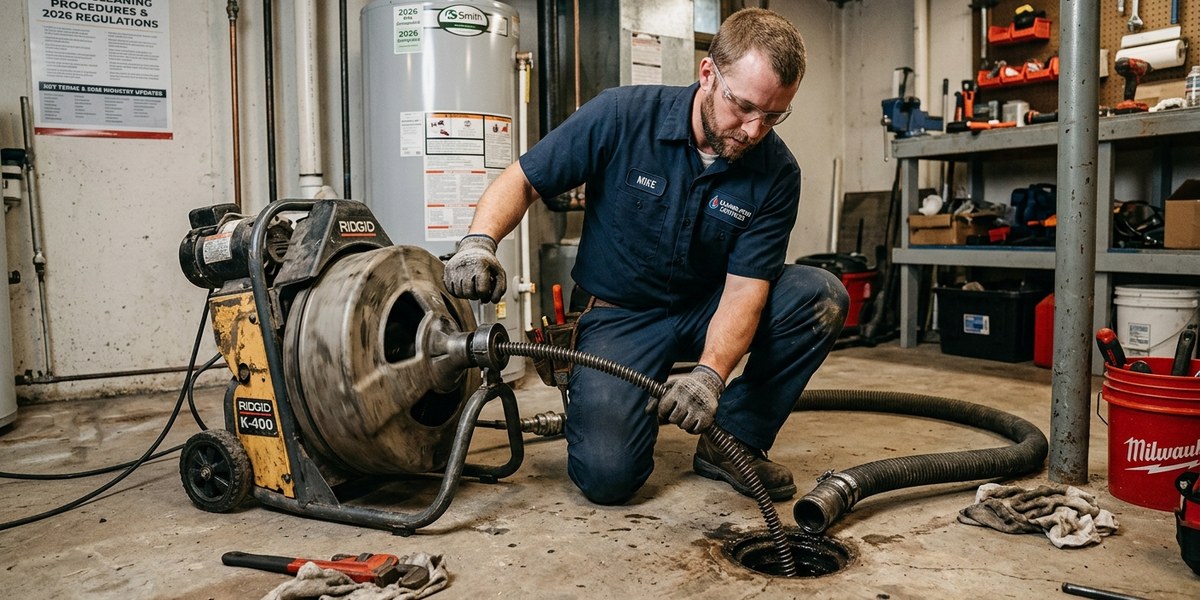
Licensing & State Variations (Compact)
Plumbing licensing is regulated at the state level, and requirements vary significantly. However, most states follow a similar three-tier system: apprentice (no license needed, just enrollment), journeyman, and master.
The key variation is the number of work hours required for journeyman status—ranging from 2,000 hours (e.g., Texas) to 8,000 hours (e.g., California).
The Plumbing License Compact is a growing interstate agreement that allows licensed plumbers to work across state lines without full relicensing. As of 2026, 15 states have adopted the compact, including Florida, Ohio, and Colorado.
If you plan to move or travel for work, check if your state participates.
Some states also require separate licenses for gas fitting or medical gas systems. Always verify with your state’s plumbing board before applying.
The National Inspection Testing and Certification (NITC) and the International Association of Plumbing and Mechanical Officials (IAPMO) are the two main exam providers. Your state will specify which exam you need.
Salary & Job Outlook
Plumbers earn a solid middle-class income with strong job security. According to the latest available Bureau of Labor Statistics (BLS) figures, the median annual wage for plumbers, pipefitters, and steamfitters is $60,090.
The top 10% of earners make more than $99,000 per year. Employment is projected to grow 6% from 2024 to 2034, faster than the average for all occupations.
This growth is driven by new construction, stricter water efficiency codes, and the need to maintain aging infrastructure.
| Metric | Value |
|---|---|
| Median annual salary | $60,090 (BLS) |
| Top 10% annual salary | $99,000+ |
| Entry-level hourly wage (apprentice) | $15–$22 |
| Journeyman hourly wage | $25–$40 |
| Master plumber hourly wage | $35–$55 |
| Job growth (2024–2034) | 6% (faster than average) |
Salary by Practice Setting
Where you work significantly affects your starting pay and daily schedule. Residential service plumbers often earn less initially but enjoy more predictable hours.
Commercial and industrial plumbers command higher wages but may face overtime and on-call rotations.
| Practice setting | Starting salary (est.) | Work-life balance |
|---|---|---|
| Residential service | $35,000–$45,000 | Good; mostly daytime hours, some weekends |
| Commercial new construction | $40,000–$55,000 | Moderate; may involve early starts and overtime |
| Industrial / manufacturing | $45,000–$60,000 | Variable; shift work and on-call required |
| Union journeyman (typical) | $50,000–$70,000 | Good; defined hours and strong benefits |
| Self-employed / contractor | $40,000–$80,000+ | Flexible but irregular; high earning potential |
- Union plumbers typically earn 20–30% more than non-union peers, plus health and pension benefits.
- Overtime and emergency call-out pay can boost annual income by $10,000–$20,000.
- Plumbers who specialize in medical gas systems or green plumbing often command premium rates.
Getting Your First Role
Landing your first plumbing job is about timing and preparation. Most new plumbers start as apprentices, either through a union hall or a non-union contractor. Begin applying six months before you complete your trade school program or high school.
Update your resume to highlight any construction or mechanical experience, even if it’s from a part-time job or volunteer work.
Network with local plumbing contractors at trade shows or through your school’s career center. Many apprenticeships fill up early, so apply to multiple programs. Be ready for a drug test and a basic math skills assessment.
If you don’t have a driver’s license, get one—most service trucks require it.
Once you land an apprenticeship, focus on learning the plumbing snake on every type of drain. This skill is the most common entry-level task and will build your confidence. Show up early, ask questions, and volunteer for the dirtiest jobs.
Your first year is about proving your reliability.
<h2